

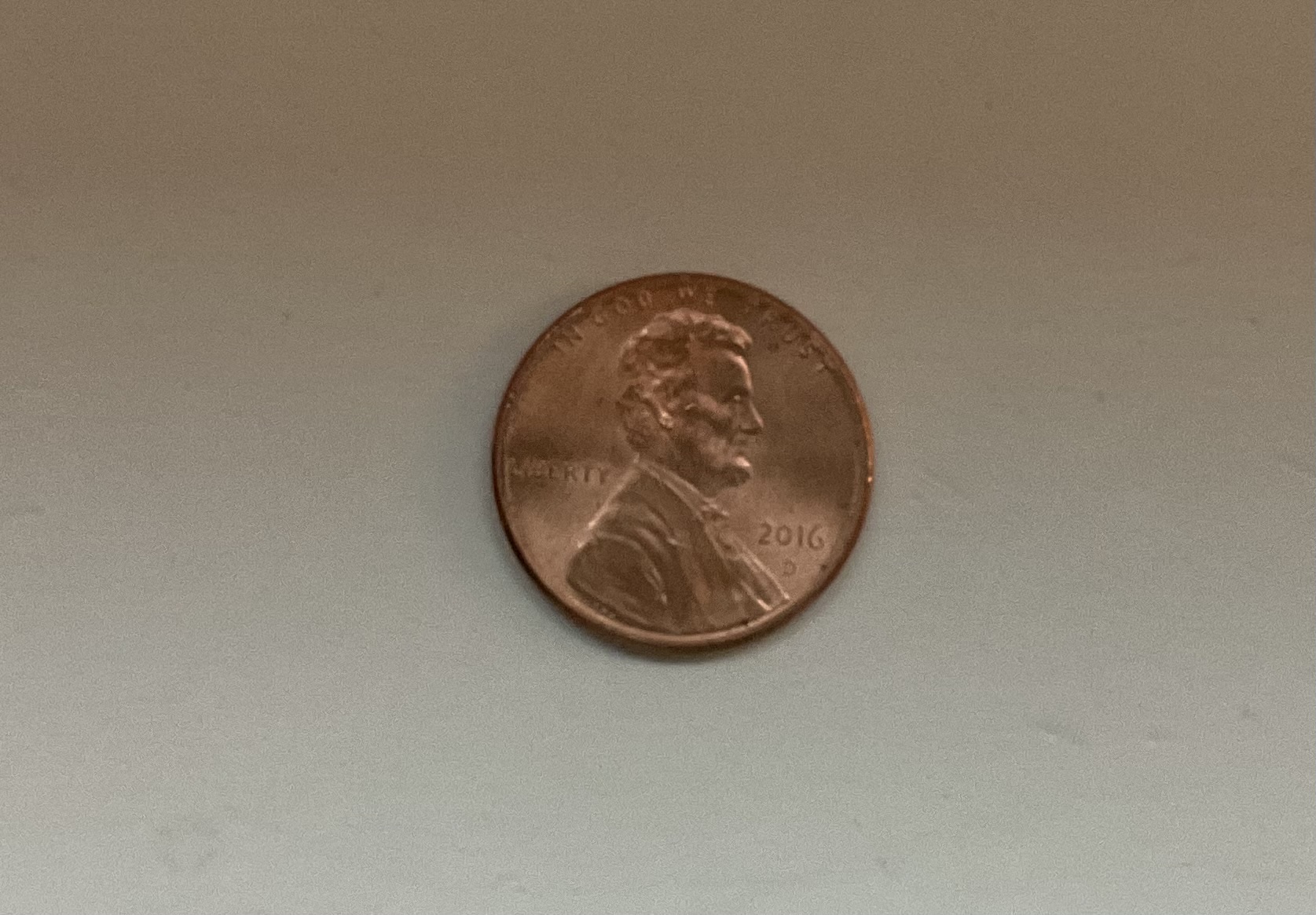
During my devotional one day, I was faced with a conundrum. I was learning about tithes and offerings and why they were so important to be of free will and why everyone should contribute what they could. But my study journal posed a question that once again asked me to dig deeper (which is what that devotional had been designed to do and had been efficiently doing since day one). It asked, “Should a poor person really be expected to return a tithe on his means?”
I paused for a long, long moment. The question wasn’t that difficult, was it? So I wrote down these words, “I know the usual respone is, ‘The widow gave her two mites,’ but WHY? Why was it important for her to give? Did she just want God’s favor? No, surely not. I wish I knew exactly what had been running through her head. Maybe to her it just meant that much to her to love, honor, obey, and praise her Lord?” That’s where I ran out of room, but my thoughts carried on.
And maybe this was why she gave. I suppose we’ll never really know for sure. But we can speculate, and here’s how it might have happened. . . .
————
Jemimah was a widow with dwindling means. Every day she passed by the temple and saw the religious leaders dumping loads of money into the offering bowls. It seemed to her like they had endless supplies of money! She only had a few mites, and she was quickly running out.
She could find no work for there wasn’t much that a widow could do. She scrounged for what little she could. Sometimes she found some dropped coins, but people were careful enough about their money that that wasn’t often.
Yet as long as I am blessed with food every day, she determined, I shall give back to Him who sends it.
Every week Jemimah went to the temple. She made her way to where she could give her offering—the most inconspicuous one that was available—gave her offering, turned, and went away. The sight and sound of the generous donations brought tears to her eyes.
If only I could give more, she thought. Sometimes a selfish thought would push its way in like, “If only I could be rich like the religious leaders or the other people who come to the temple.” But she would quickly push it away.
One day, she was in the temple when two shiny, gold coins rolled right in front of her. She stopped and looked at them, their reflection shining brightly in her large dark eyes.
I could use these, she thought with glee.
But when she picked them up, she thought of what she was doing. Surely these were meant to have gone for an offering and had slipped out somehow. To take them for herself would be stealing from the Lord. To steal from God—the One who had kept her alive ever since her husband died—was unthinkable to Jemimah. Before she could think about it, she walked back, put the offering in the box, and walked away.
Two weeks later, she sat staring at the only money she had left in the world. Two small coins. This was it. Today she usually went to the temple. But she just sat, staring at those two small coins.
The house around her was bereft of most of its furniture, the jars in the pantry had diminished greatly, and her money was all but gone. She no longer had a tenth. She had this or nothing. She could almost see before her a path. She was at a fork in the road, and one way said “GIVE” and the other said “TAKE.” She looked back at the coins, now warm in her palm.
“He has given me bread,” Jemimah said to herself, getting up resolutely, “and I will show my thanks for all to see.”
She clutched the coins to her chest like she would never let them go and strode towards the temple. She slowed her pace at the entrance and walked in, silently praising God and thanking Him for everything she’d been given.
The clatter of many coins dropping all at once into the box slowed her pace farther. But she didn’t hesitate as her hand flashed out over the box and her palm opened to let the coins fall with a soft, unnoticeable clink clink inside.
She didn’t even see the man sitting with his disciples by the box as she walked away, poorer but happy.
The man turned to his disciples and declared, “I tell you the truth, this poor widow has given more than all the others who are making contributions. For they gave a tiny part of their surplus, but she, poor as she is, has given everything she had to live on.” Jemimah, My child, he thought to himself, you gave what I sought the most: your heart.
————
Let me know your thoughts in the comments!


5 thoughts on “Tithes & Offerings”
What are your thoughts on tithes and offerings? What do you think of the speculation? Do you agree, yes, no, or maybe? How do you think it might’ve gone?
yes, I agree.
Also, very good excellent superb super nice story.
continue to use the talents god gave you.
Your Friend, Joshua ☺️☺️☺️
Thanks, Joshua! I’m gonna take a break from posting stories on Guide (and by a break, I mean, like, probably a week lol), and then I’ve hopefully got a new series coming out. Fingers crossed!
this is so good you are so talented! I think that tithing if you are poor you would show faith and God would bless you but anyways ya good story!
Thanks for your two cents, AmyNicole! Agreed, by the way. But, of course, it also depends on your definition of God blessing someone. If we’re talking about earthly, then that may or may not happen how we usually want it to. But we can’t see the big picture sometimes, so we just have to wait and see what blessings come, even if they develop from what we might’ve thought was a curse or our lives never really get physically “blessed” on this earth. But I do believe that when you give God your heart, you get spiritually blessed. Anyways, sorry, hope I didn’t lose you. Thanks for your comment!